Cleaning an Alcantara steering wheel: grippy again, not greasy
Daniel von Detailing1 |


Koch-Chemie
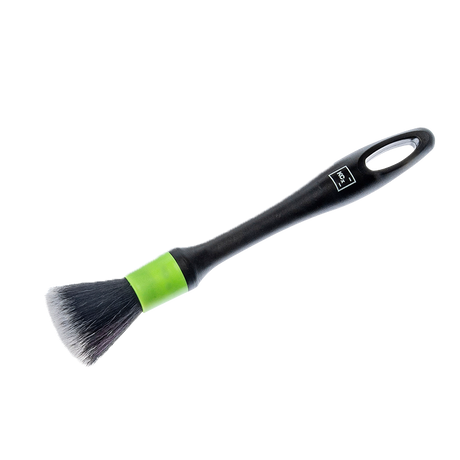
Interior Brush "Green" Interior Autodetailing Brush soft
Koch-Chemie
Interior Brush "Yellow" interior brush medium-hard
Koch-Chemie
Interior Brush "Red" hard interior detailing brush
Soft99
Professional detail brush for car exteriors in three sizes


Soft99
Ultimate detailing brushes for your car
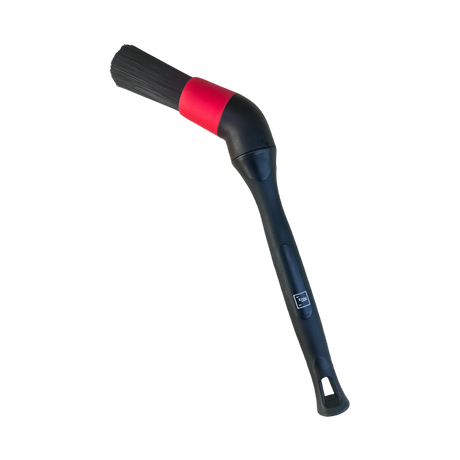
New: Koch-Chemie Exterior Brush in four colours, from wheels to glass and rubber.

Koch-Chemie
Exterior Brush Set Auto Detailing Brush Set


Koch-Chemie
Wheel & Engine Brush — Acid-Resistant Detailing Brush
TUGA Chemie
Detailing Wheel Brush for "Alu-Teufel "Spezial" (Green)"
Detailing wheel brush acid-resistant pH 0-14, metal-free

SONAX
PROFILINE Brush Set Detailing Brushes
Brush Set — 2-piece detailing brushes for tight spaces
Koch-Chemie
Exterior Brush "Orange" Detailing Brush for Plastic Trim
Koch-Chemie
Exterior Brush "Red" Detailing Brush for Wheels
Koch-Chemie
Exterior Brush "Yellow" Detailing Brush for Glass and Rubber
What is a detailing brush? A slim hand tool with bundled bristles that carries cleaner into air vents, badges, seams, wheel bolts and spokes and loosens the dirt there. It works on edges and contours, not on open panels. You choose it by area, bristle type, head width and chemistry.
Detailing brushes are car cleaning brushes whose bristles, ferrule and handle are built for car care chemicals, water and tight edges. The range runs from the natural-bristle interior brush through the synthetic exterior brush in three head widths to the acid-resistant, metal-free wheel brush. Inside, the brush pulls dust out of vent louvres and switch gaps; outside, it gets brake dust off the wheel bolts and wax residue out of badges. The panel next to it stays the microfibre towel's job.
Detailing1's tip from the shop: Read the colour code per set, not per brand. With Koch-Chemie, red in the interior set is the stiff brush for sill plates and pedals, but in the exterior set it's the acid-resistant wheel brush. Own both sets, grab by colour alone and sooner or later you'll carry brake dust and wheel chemicals into the footwell. So store interior and exterior brushes in two separate boxes and mark the handle of the wheel brush with a strip of tape as well. Then where it lives decides, not the colour.
A detailing brush differs from a paintbrush in its bristles, ferrule and handle, which cope with cleaner, water and tight edges on the car without scratching paint or plastic.
On forums, make-up brushes, shaving brushes and DIY-store brushes come up as substitutes. For dry dust in an air vent they often do the job. The limits show in three places: a metal ferrule that nearly touches the surface as you work into an edge, new brushes that shed loose hairs in the vent, and bristles that swell or fray in cleaner. Why it's the ferrule that carries the scratch risk is explained in the overview of Brushes & detailing brushes.
The brushes in this selection tackle the ferrule and the bristle. TUGA builds its Detailing wheel brush and Koch-Chemie its wheel & engine brush with no metal at all; the bristles sit in a plastic ferrule. Soft99 puts both series on a plastic handle and states that the synthetic bristles of the Exterior brush resist strong cleaners.
What a car detailing brush really does is movement. It carries the cleaner into the contour, loosens the dirt there and pushes it out of the gap. A microfibre towel or the vacuum then has to pick it up, or it just settles in the next gap. How that works in detail on vent louvres is covered in our guide to air vents in your car.
As soon as an edge turns into a surface, you switch tools. Upholstery, carpet and leather need a brush block with more contact area – that's what the Interior brushes are for. The deep wheel barrel behind the spokes is a job for the long-handled Wheel brushes. That leaves the edges, and that's exactly what the detailing brush is built for.
The first fork in the road is the area, because a brush from the wheel or wheel arch carries brake dust and chemical residue that have no business on piano black trim and screens in the cabin.
Koch-Chemie turned that into a colour code by stiffness for the interior. The Koch-Chemie Interior Brush "Red" is stiff and, according to the maker, meant for sill plates, pedals and rough work. The Koch-Chemie Interior Brush "Yellow" is medium-stiff and has the finer bristles for the air vents. Green, the soft grade, is what the maker recommends for screens and piano black. The advice that goes with it: even, not excessive pressure.
One question we got about the red interior brush: is it any good for sill plates? Yes. That's where trodden-in dirt sits in ribbed plastic and rubber, which can take more resistance than a dashboard trim panel. For the vents above, you then grab the yellow one so the coarser footwell dirt doesn't end up on the louvres.
Outside, the same brand assigns the colours differently. In the Exterior set, red is the acid-resistant brush for the wheel, orange takes on rough plastic parts like the grille and sills, and yellow works glass and rubber on door mirrors and seals. Green, with extra-fine bristles, is for exterior chrome and piano black, available separately as the Koch-Chemie Exterior Brush "Green". One customer asked us whether the orange exterior brush works inside too. It's built for the outside; inside, reach for an interior brush.
SONAX solves the same question with two brushes in the PROFILINE PinselSet: the dark, stiffer one is meant for wheels and badges, the light, softer one for vents and switches. According to the product text, a metal ferrule joins handle and bristles there, so acidic wheel cleaner calls for a metal-free wheel brush. If you want to dig deeper by area, the interior picks are under Interior detailing brushes and the exterior picks for wheels, grille and badges under Exterior detailing brushes.
After the area, the bristle material decides, because natural and synthetic bristles behave differently in cleaner and so suit different spots and products on the car.
Natural bristle, also known as China bristle, comes from pigs. Each bristle splits at the tip into several finer ends, a bit like a tiny sponge. In practice that means it soaks up shampoo or interior cleaner and releases it evenly, right where you need it in the contour. The Soft99 Interior Auto Detailing Brush uses natural bristles in 16, 24 and 30 mm.
Synthetic bristle has no split tips and carries less product, but stays evenly stiff and resists chemicals. For you that means synthetic is the safe bet on the wheel, because it can take the cleaner the wheel needs. The Soft99 Exterior Auto Detailing Brush is built that way and meant for wheels, grille and badges.
Natural bristle's limit: it absorbs water and reacts more sensitively to strong alkalis and acids. Inside with a mild cleaner that's no issue, but as a permanent brush in acidic wheel cleaner it is. One exception in the range shows that fibre isn't everything. Koch-Chemie specifically builds its acid-resistant wheel and engine brush with China bristles and a plastic ferrule. There, the resistance is a manufacturer spec for that exact brush, not a property of every natural bristle.
Head width follows the opening, not the dirt. Soft99 assigns its exterior brushes like this: 16 mm for crevices, 24 mm for roof trims, door recesses, fuel flap and wheels, 30 mm for wheels, tyres, wheel arches, grille and underbody.
On wheels and in the engine bay the brush works in cleaner, so two things count first: a chemical-proof bristle and a metal-free ferrule that won't corrode or scratch.
The classic wheel brush is the tool for spots neither a larger brush nor a mitt can reach. According to the product text, the TUGA Chemie Detailing Wheel Brush is made for the gaps between spokes, the inside of the rim flange and the wheel bolt holes. The synthetic bristle sits in a plastic ferrule, and the whole construction is metal-free. The stated pH range of 0 to 14 runs from strongly acidic to strongly alkaline. In plain terms: according to the maker, the bristle handles both acidic and alkaline wheel cleaners, so you don't have to switch brushes with the product.
Detailing brush and wheel brush share the wheel. TUGA explicitly describes its detailing brush as a companion to the wide wheel brush: the larger brush covers the spoke bed and inner rim, while the small one takes the spoke roots at the hub ring and the wheel bolt holes. Own only the larger brush and you'll miss exactly those spots.
The Koch-Chemie Wheel & Engine Brush is metal-free and acid-resistant, and the plastic ferrule is designed to avoid scratches. That's why this selection also sits under Engine cleaning. There it's about rocker covers and hoses – edges and curves a towel can't follow. Plugs and electrical connections aren't on that list; they get handled separately during an engine wash.
There's a limit, too: a chemical-resistant bristle doesn't clear the cleaner for the part. Whether an acidic wheel cleaner can go on bare aluminium, polished metal or uncoated carbon is on the cleaner, not the brush. After use, rinse the brush out clean, because leftover harsh cleaner wears the bristles, and dried-on brake dust turns any soft bristle into an abrasive. Then straighten the bristles and let the brush dry hanging or bristles down.
A detailing brush set pays off once several areas are regularly on the list, because it comes with a fixed assignment, while single brushes plug a specific gap in the tools you already have.
The Koch-Chemie Exterior Brush Set does that all the way: four brushes, four colours, four exterior areas, plus the screw-off angle piece for hidden edges. Work the outside systematically and you grab by area without wondering which brush was last in the wheel. So the set suits anyone who details their car in fixed steps.
An honest point from our reviews: one review praises the bristles on all four brushes but complains that the handle doesn't sit well in the hand. On short jobs you barely notice; on a long wheel clean you do. If you brush a lot in one go, factor the handle in. An alternative with a different handle is the Soft99 brush in the matching width.
To get started, less is often enough. The SONAX PROFILINE PinselSet gives you the split between interior and badges with two brushes, and because of the metal ferrule a metal-free wheel brush gets added for the wheels. The Soft99 brushes, on the other hand, you buy individually in whatever width your car is missing. If you mainly clean vents and switches, a soft 16 mm interior brush is enough. Once the wheels come into it, you need a second, chemical-proof brush for the outside.
How many brushes you end up with depends on the areas, not the size of the car. The forum discussion on detailing brushes that we read comes down to one tool per area: separate brushes for wheels, badges, rubbers and interior.
For starters we'd put that at three brushes: one for the interior, one for exterior badges, grille and rubber, and one for the wheels only. Anything beyond that is comfort, like a second head width for tight gaps or a stiff brush for the footwell.
In the end the spot on the car decides the brush: area, how sensitive the surface is and the chemicals in use add up to a clear assignment that you set once.
| Spot | Brush | What matters |
|---|---|---|
| Air vents, switch gaps | Interior brush, 16 to 24 mm, medium-stiff or natural bristle | Cleaner on the tool, not into the opening |
| Sill plates, pedals | stiff interior brush | rough work, even pressure |
| Badges, grille, trim strips | Exterior brush, 16 to 30 mm | synthetic bristle when cleaner is involved |
| Wheel bolts, gaps between spokes | acid-resistant, metal-free wheel brush | use on wheels only |
| Engine bay | Wheel and engine brush | match the cleaner to the part |
Three spots call for restraint. Piano black shows every bit of friction, so only the softest brush goes there, with light pressure and straight strokes, and never dry over the dust. Clear covers like the lens over the instrument cluster don't belong under bristles at all – use a damp microfibre towel there. Screens and switches can't take liquid in their openings. The cleaner goes on the brush, and you wipe the brush off on the towel first.
Where the brush stops, other tools take over. In the tightest gaps, where loosened dirt has to be picked up rather than pushed around, the foam-tipped Detailing swab does the work. For textured areas like upholstery or grained trim in one go, the brush is too narrow.
So the best thing about a good set of brushes isn't the individual bristle, it's the division of labour behind it. The cleaner loosens, the brush moves, the towel picks up. Attack stubborn dirt with more pressure instead of dwell time and you're asking the brush to do a job it isn't built for – and that's exactly when edges pick up marks that no cleaner can undo.
Too much choice in Detailing brush? Get help picking:
Add Detailing1 as a preferred source on GoogleA detailing brush is a narrow cleaning brush for cars that applies cleaner into contours and loosens dirt from air vents, emblems, seams, and lug nuts. The bristles, ferrule, and handle are designed for car care chemicals. A microfiber cloth then picks up the loosened dirt; open surfaces are best left to the cloth.
The edges yes, the surfaces no. A brush reaches ventilation slats, switch gaps, emblems, radiator grilles, and spokes that a cloth cannot reach. You can clean paint, windows, and large plastic surfaces faster with a microfiber cloth or wash mitt. For upholstery and carpets, there are interior brushes with more surface area.
Natural bristles for the interior, synthetic bristles for wheels and strong chemicals. Natural bristles split at the tip and distribute cleaner evenly, but are more sensitive to strong alkalis and acids. Synthetic bristles carry less product, remain consistently stiff, and are chemical-resistant, such as with the Soft99 Exterior Detailing Brush.
No. A wheel brush carries brake dust and wheel cleaner residue in the bristles, and neither has any place on piano lacquer, displays, or interior plastic. Keep interior and exterior brushes permanently separated and pay attention to color codes per set: at Koch-Chemie, red is the hard brush for door sills on the inside, and the acid-resistant wheel brush on the outside.
Only if the manufacturer specifies it. The TUGA Chemie Detailing Wheel Brush is resistant from pH 0 to 14 and metal-free according to product specifications, and the Koch-Chemie Wheel & Engine Brush is designated as acid-resistant. An interior brush with natural bristles should not be kept in acidic wheel cleaner for extended periods. Whether the cleaner is suitable for the component is determined by its own product approval, not by the brush.
For the exterior, Soft99 categorizes its brushes as follows: 16 mm for crevices, 24 mm for roof moldings, door jambs, fuel filler flaps, and wheels, and 30 mm for wheels, tires, wheel arches, grilles, and the undercarriage. For air vents, Koch-Chemie recommends the medium-hard Interior Brush "Yellow". The Soft99 interior brush is available in the same three widths.
Daniel von Detailing1 |

Daniel von Detailing1 |

Daniel von Detailing1 |

Daniel von Detailing1 |

Daniel von Detailing1 |

Daniel von Detailing1 |

Daniel von Detailing1 |

Daniel von Detailing1 |

Daniel von Detailing1 |

Daniel von Detailing1 |

Daniel von Detailing1 |

Daniel von Detailing1 |