


Washing and caring for matte paint and matte wrap the right way
Daniel von Detailing1 |



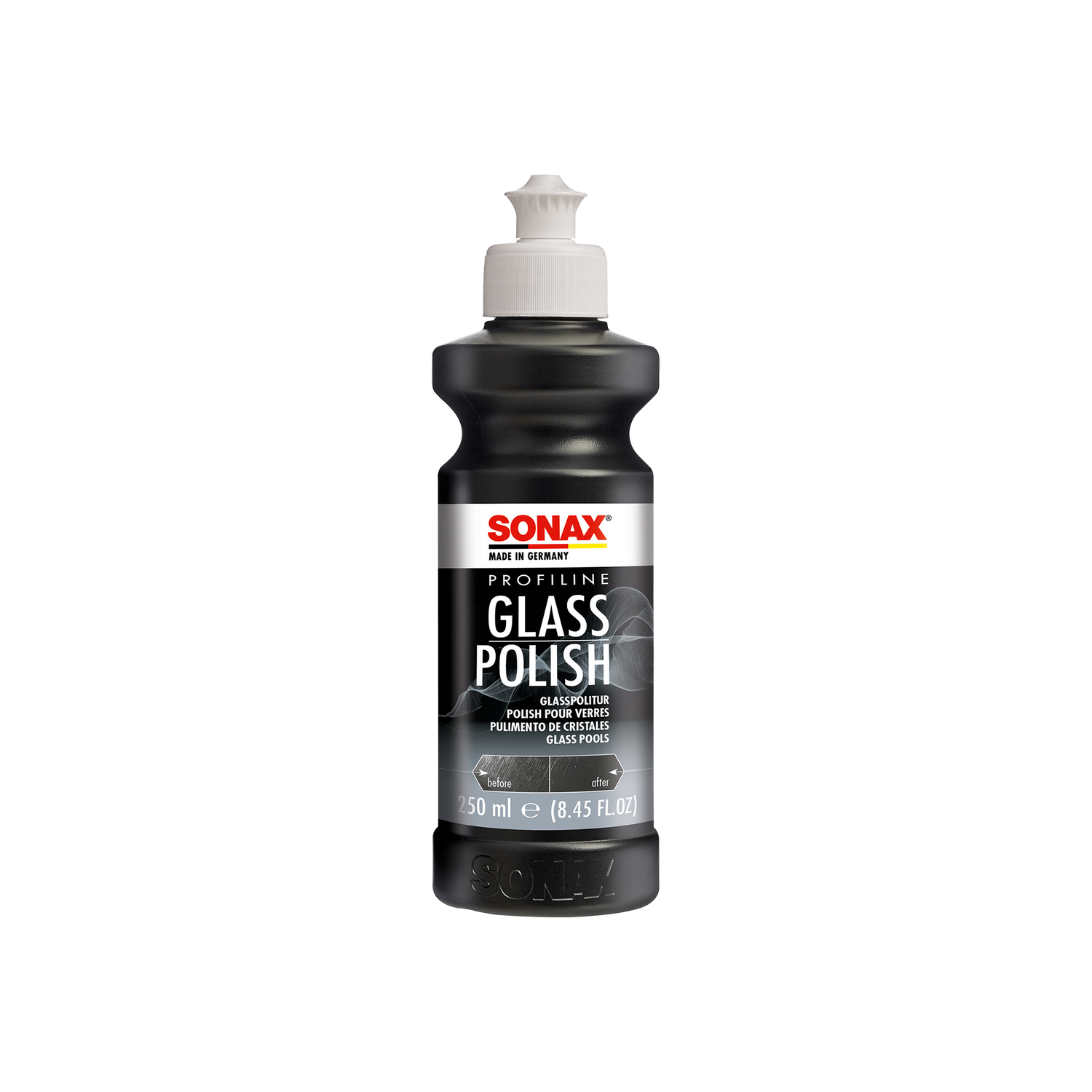
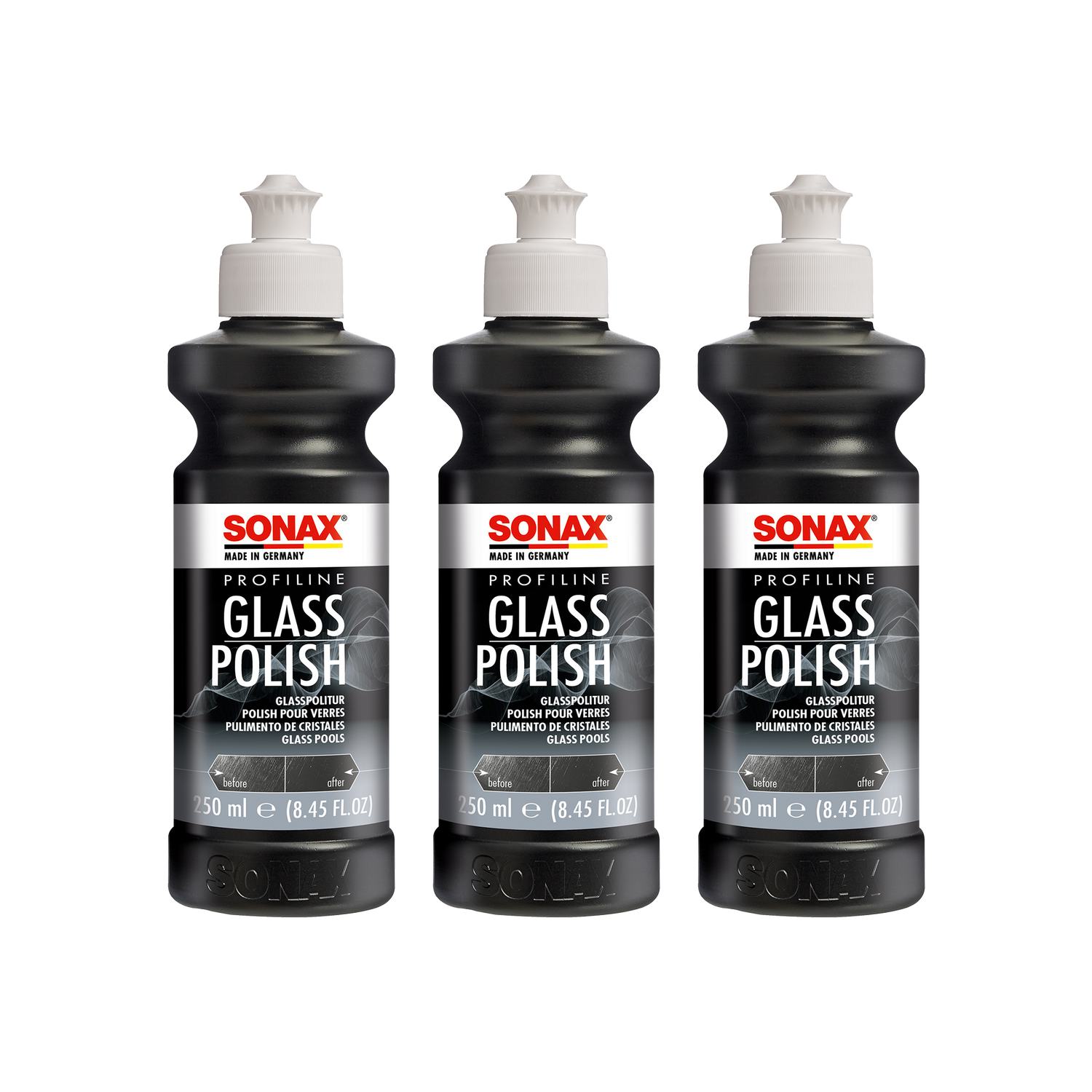
SONAX PROFILINE GlassPolish Glass Polish (Cerium Oxide Chemical-Mechanical) - 250ml is on backorder. As soon as everything in your order is back in stock, we ship it all in one go — delivery time follows whichever item takes longest.
— Currently Sold Out
Item added to your cart.
View cart


| SONAXPROFILINE GlassPolish Glass Polish (Cerium Oxide Chemical-Mechanical) 250ml |
20,99€
Contents: 250mlUnit price (83,96€
/ l)
Unavailable
|
Ausverkauft | |
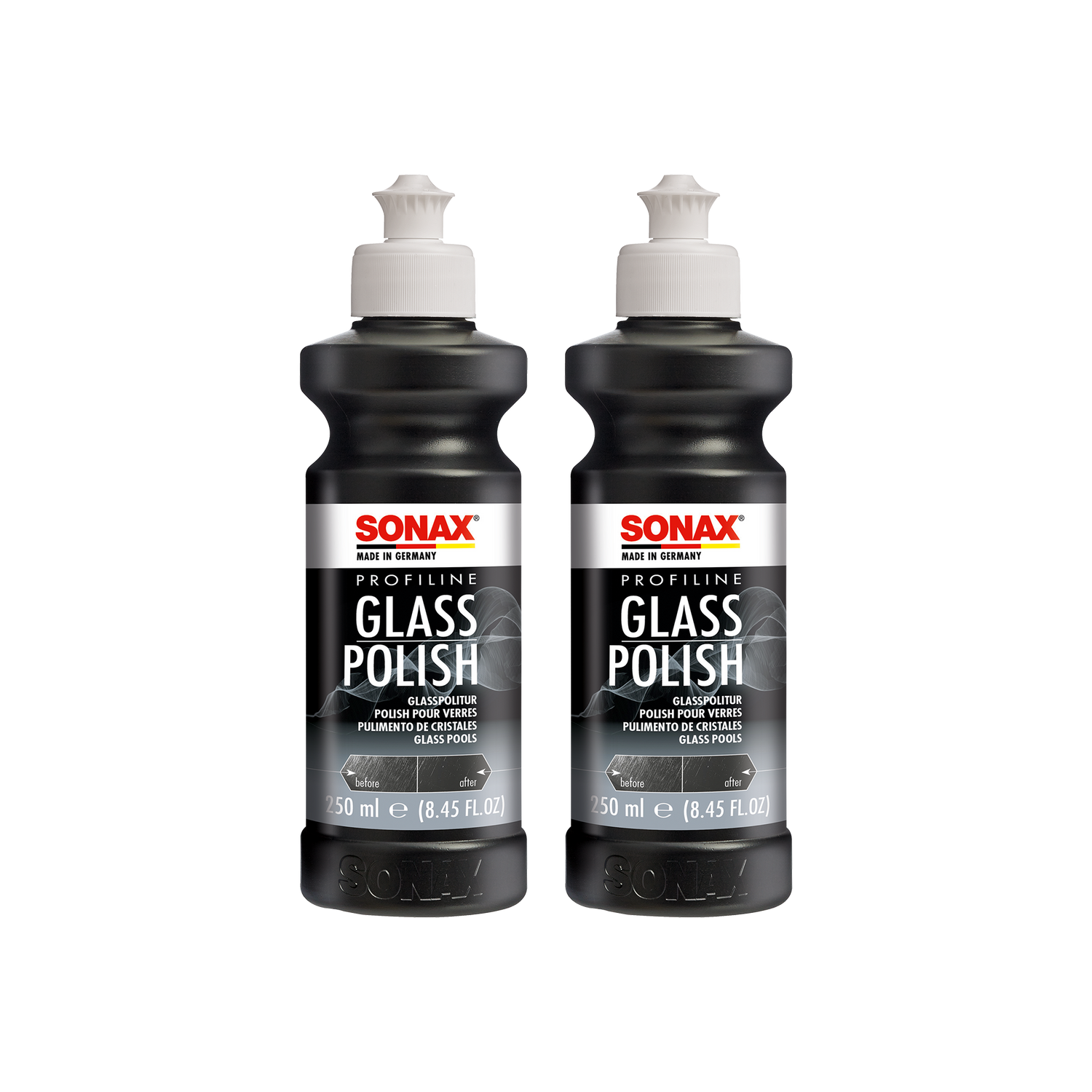
| SONAXPROFILINE GlassPolish Glass Polish (Cerium Oxide Chemical-Mechanical) 2x 250ml set |
41,98€
Contents: 500mlUnit price (83,96€
/ l)
Unavailable
|
Ausverkauft | |
| SONAXPROFILINE GlassPolish Glass Polish (Cerium Oxide Chemical-Mechanical) 3x 250ml set |
62,97€
Contents: 750mlUnit price (83,96€
/ l)
Unavailable
|
Ausverkauft |
Do you have any questions or need help?
We are sure that our help page will help you. There you will find information on how to contact us and the relevant answers to frequently asked questions.
Didn't find what you were looking for? Write us a message in the chat.
Shipping within Germany from €5.90 with delivery times of 1 to 2 business days. For orders over €89, we ship free of charge with DHL within Germany.
Need your order by the next day? Discover Express Shipping starting from €14.90.
We ship your order to 🇩🇪 Germany, 🇦🇹 Austria, 🇨🇭 Switzerland, 🇳🇱 Netherlands, 🇧🇪 Belgium, 🇱🇺 Luxembourg, 🇫🇷 France, 🇮🇹 Italy, 🇪🇸 Spain, 🇵🇹 Portugal, 🇩🇰 Denmark, 🇸🇪 Sweden, 🇭🇺 Hungary, 🇨🇿 Czech Republic, 🇸🇰 Slovakia and 🇸🇮 Slovenia.
Car Care Store in Nordhorn
Why wait when you can get it fast? Order your car care products from us online and choose between convenient pickup or our lightning-fast delivery, whether locally or throughout Europe. We are dedicated to offering you maximum flexibility and convenience so your car always stays in top condition.
You can always pick up your order from Tuesday to Friday, 10:00 to 17:00, at Bosinks Kamp 8 in 48531 Nordhorn at Detailing1. Please have your pickup confirmation ready. We look forward to your visit.
Couldn't load pickup availability
What does the SONAX PROFILINE GlassPolish do? This cerium oxide glass polish removes scratches, water spots, streaks and oxidation from windscreens and vehicle glass chemically and mechanically — for a clear view and streak-free glass without heavy sanding work.
Scratched windscreens, baked-in water spots and oxidation on vehicle glass are more than a cosmetic flaw — they cut your view in rain, low sun and at night, and that can get dangerous. Normal glass cleaners lift loose dirt, but they do nothing about scratches worked into the surface or mineral deposits chemically baked on. The SONAX PROFILINE GlassPolish solves that with a chemical-mechanical approach: cerium oxide, an abrasive made specifically for glass, polishes the surface on a microscopic level and pulls out surface scratches, water spots and that oxidised film — what you get is optically clear, streak-free glass with maximum light transmission.
Detailing1's tip from the shop: Before you polish the glass, clean the pane thoroughly — dirt and sand on the surface during polishing will lay down fresh scratches. Pre-clean with a microfibre cloth and the SONAX PROFILINE GlassCleaner. Lay the GlassPolish onto the damp pane with a sponge or applicator cloth and work it in with circular motions — a slightly damp surface spreads the cerium oxide more evenly than dry glass does. For stubborn wiper marks, work with a polishing machine and a foam pad — polishing by hand is plenty for light spots and water marks, but for deeper scratches a machine gives you a hand. After polishing, rinse the area with clean water and buff it off with a clean microfibre cloth — the result shows up straight away in how clear the glass reads.
Cerium oxide (CeO₂) is a rare-earth metal oxide that has been used in glass optics and glass processing as an abrasive and polishing agent for precision glass for decades. What makes it so well suited to glass comes down to a chemical-mechanical dual action: on one hand, cerium oxide has a specific hardness (Mohs scale ~6) that is ideal for glass (Mohs ~5–6) — hard enough for abrasion, but not so hard that it lays down fresh deep scratches. On the other, cerium oxide reacts chemically with the silicon dioxide of the glass surface and forms temporary cerium-silicate compounds during polishing that boost the polishing effect on a molecular level.
That dual action explains why cerium oxide polishes treat glass surfaces far more effectively than purely mechanical abrasives: the chemical activity etches the silicon-dioxide surface of the glass on a microscopic level, which together with the mechanical abrasion creates a "reflow" effect — tiny scratches aren't just sanded away, the glass matrix flows slightly and fills the finest cracks. That's why, after a cerium oxide polish, scratches look gone that were really only "rounded off" or filled in.
The SONAX PROFILINE GlassPolish uses this principle in a formulation tuned for vehicle work: the cerium oxide particles are suspended in a suitable carrier liquid that ensures even spread and enough lubrication. That keeps excess friction heat down during polishing and protects the pane from uneven removal. At the same time, the formula is built so it rinses off residue-free after polishing — no whitish cerium oxide film stays on the pane that could hurt optical clarity once you're done.
Working with the glass polish follows a clear workflow that breaks down into prep, polishing and finishing. Prep matters especially with glass polishing: any speck of dirt on the pane that gets between the applicator and the glass during polishing makes fresh scratches — a mistake that gives you exactly the opposite of what you wanted. Wash the pane thoroughly with glass cleaner, rinse with clean water and dry with a clean microfibre cloth. Mask off the edge seals and paint around the pane with masking tape — cerium oxide on paint leaves streaks that are hard to get off.
Polishing by hand: put GlassPolish on a sponge or applicator cloth, lay it onto the damp glass and work it in with circular motions. Medium pressure, even movement — don't let it dry, top up with a damp cloth or a little water if you need to. The visible sign it's working: the abrasive film clears up as you go and runs less — that tells you the cerium oxide particles are working the surface. After 3–5 minutes of polishing, take the product off with a damp microfibre cloth and check the result.
Polishing by machine: for more stubborn wiper marks or deeper scratches, reach for a polishing machine with a foam pad. Low speed (setting 2–3), light pressure — glass is more sensitive than paint and reacts faster to excess friction heat. Work in sections (max. 30×30 cm), don't dwell too long on one spot. After each pass, check the result in the light — look through the pane against the light to spot any leftover scratches and streaks. Depending on how deep the scratches run, a second pass may be needed.
The SONAX PROFILINE GlassPolish tackles a range of typical glass problems that show up on vehicles in everyday use. Wiper marks are the most common job: wiper blades dragging sand particles along make fine scratch marks in the windscreen glass — you'll spot them as light scatter in rain and low sun. These scratches are usually very fine and respond well to one or two passes of the cerium oxide polish. One thing to watch: after the glass polish, check the wiper rubber for damage and replace it if needed, since old wiper rubbers will just start the wiper-marking all over again.
Stubborn water spots and limescale deposits on the glass are the second most common job. Limescale from hard water that has dried onto the pane can first be loosened chemically with the SONAX PROFILINE Waterspot Remover — in stubborn cases, where the limescale has already attacked the glass surface, the GlassPolish follows as the mechanical step to polish out the remaining haze in the glass. This combined approach (chemical first, then mechanical) is far more effective on heavy limescale damage than mechanical polishing alone.
Oxidation film on glass (a yellowish or dull layer that absorbs light) builds up from UV exposure and chemical reactions on the glass surface — especially on vehicles that sit in the sun for long stretches or run in industrial settings. Normal glass cleaners won't shift this film, but it responds well to the cerium oxide polish. After treatment, the glass reads noticeably clearer and scatters far less light in low sun and at night — a direct safety gain for the driver.
In glass refinishing there are different product strategies you should pick by problem type and intensity. Purely chemical approaches (like the SONAX PROFILINE Waterspot Remover) are ideal for mineral deposits and light limescale, without removing any of the glass surface mechanically — that method is fast and risk-free, but it does nothing against mechanical scratches. The GlassPolish, as a chemical-mechanical product, is the right call when there are scratches or streaks alongside the spots that need mechanical work.
Against wet-sanding paper (e.g. P2000 or P3000 wet polish for glass), the GlassPolish has a clear edge: the cerium oxide formula is less aggressive and leaves a finer surface after treatment that doesn't need a follow-up fine polish. Wet-sanding paper removes deeper scratches more efficiently, but leaves sanding marks that then have to be levelled out with a cerium oxide polish. For typical vehicle glass problems (wiper marks, limescale, light oxidation) the GlassPolish is the most direct and gentlest solution — without needing a multi-step sanding process.
As a finishing step after the glass polish, a glass sealant is worth it — it protects the polished surface and adds water repellency through a lotus effect — the SONAX PROFILINE CeramicCoating "CC" Glass gives you long-term protection here, and the hydrophobic properties improve wiper performance and visibility in rain while cutting future water spots right down.
The SONAX PROFILINE GlassPolish comes in 250 ml (single bottle) and as a 2x 250 ml set. The 250 ml bottle goes a long way over many glass-polishing jobs when used properly — cerium oxide polishes go on in fairly small amounts, since too much product on the pane just makes more work taking it off without improving the polishing effect. For detailing shops that regularly run vehicles with glass refinishing in the programme, the 2-pack is the more economical pick.
The glass polish also suits use on glass headlight lenses made of glass (not for plastic headlights — use the dedicated SONAX PROFILINE HeadlightPolish there). On glass domes, clear glass covers and optical glass components, the cerium oxide polish works too — but always go careful on already-coated or treated glass surfaces, which the abrasion could damage.
Bottom line: the GlassPolish is the must-have tool for anyone after clear, scratch-free vehicle glass as part of a professional refinishing standard. The chemical-mechanical cerium oxide technology delivers results no other product type gets this efficiently — and the direct effect on driving safety through better visibility makes glass polishing one of the refinishing steps with the highest practical payoff for the vehicle owner.
Not sure about SONAX PROFILINE GlassPolish Glass Polish (Cerium Oxide Chemical-Mechanical)? Get it explained:
Add Detailing1 as a preferred source on GoogleSafety information for SONAX PROFILINE GlassPolish Glass Polish (Cerium Oxide Chemical-Mechanical)
Approved for private customers
This product, marked “Approved for private customers”, is packaged, declared, registered and certified for private customers under German law. Please observe the hazard and precautionary statements.
Downloads
Download safety data sheet
This product information is intended only as non-binding advice. No liability on our part can be derived from it. Please check whether the product is suitable for your application. Test for suitability and compatibility before use. We are happy to advise you.
Questions about this information?
Contact
SONAX GmbH
Münchener Str. 75, 86633 Neuburg an der Donau, Deutschland
+498431530
info@sonax.de
sonax.de
Choose from many payment methods such as PayPal, Klarna, Apple Pay, Mastercard or Visa and benefit from purchase on account and installment payments. Your payment information is always processed securely. Questions about payment?
Your order will reach you in just 1-2 days with DHL, DPD or UPS from €5.90. Shipping with DHL is free for orders over €89. Need it faster? Choose from our express shipping offer. Questions about shipping?

SONAX
Acid-free wheel cleaner with color change for all rim types
SONAX
XTREME Ceramic Spray Sealant Spray-On Sealant
Ceramic Spray Sealant — 4 Months Protection, Si-Carbon
SONAX
XTREME Ceramic QuickDetailer Quick-Detailer
Ceramic Quick Detailer — Ceramic Detailer with Si-Carbon Protection
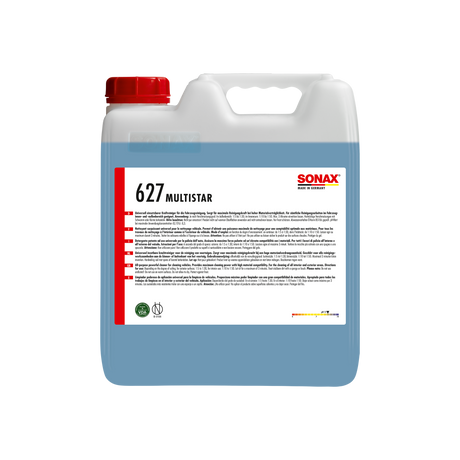
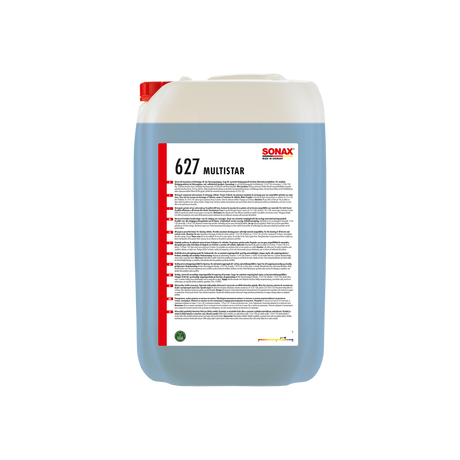
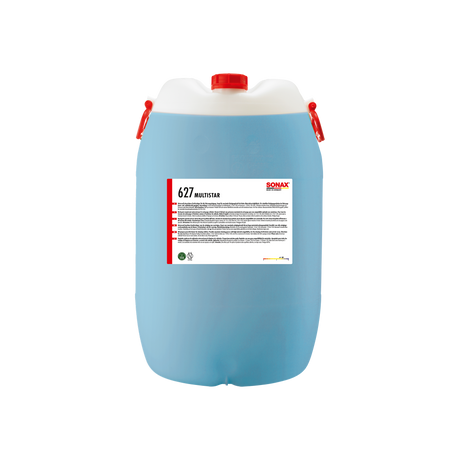
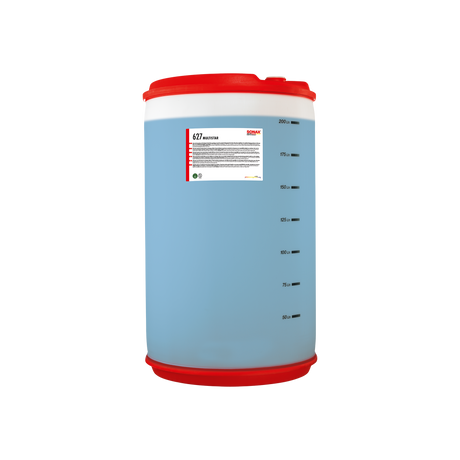
SONAX
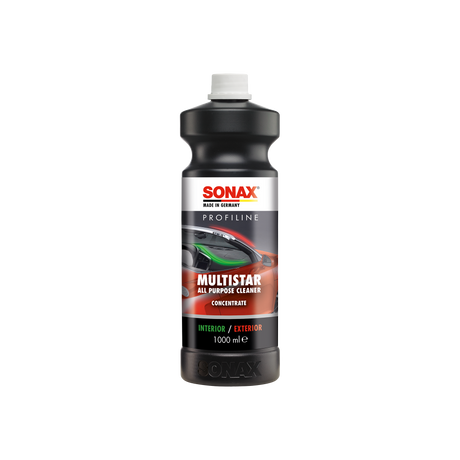
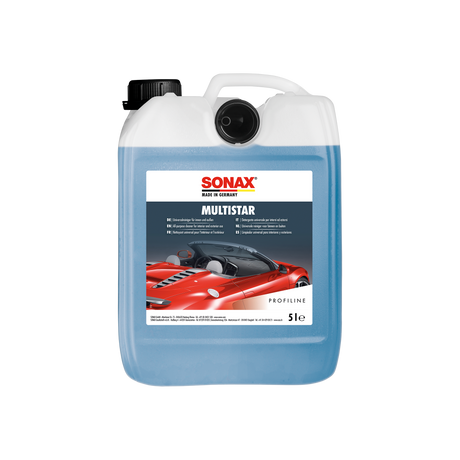
PROFILINE MultiStar "All-Purpose-Cleaner" Universal Cleaner
MultiStar - Universal Cleaner Concentrate

SONAX
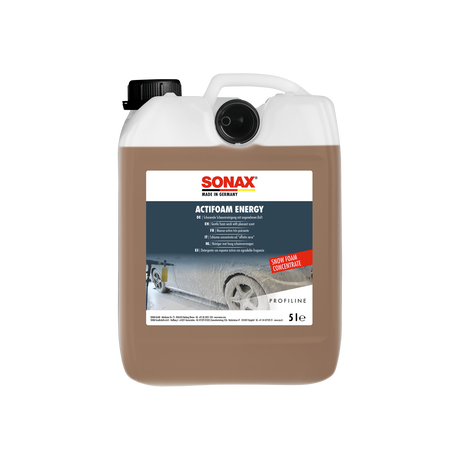
PROFILINE ActiFoam "Energy" Cleaning Foam (Snow Foam)
pH-neutral snow foam cleaner for contactless pre-wash
SONAX
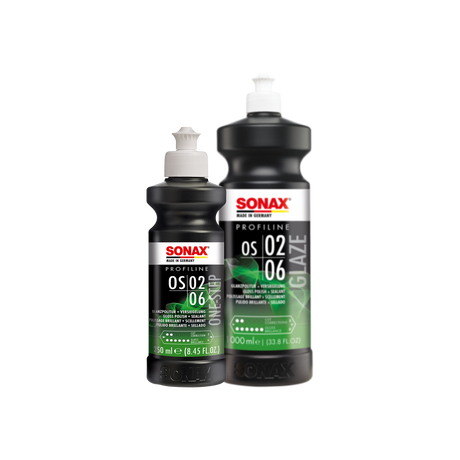
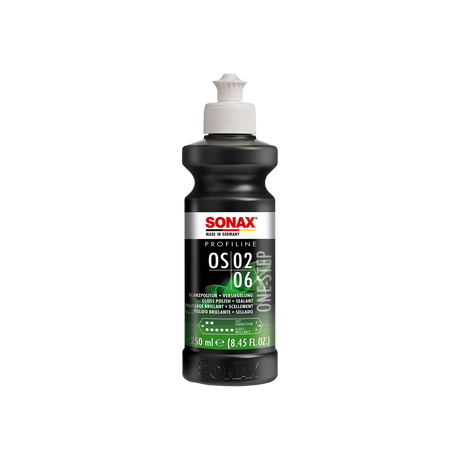
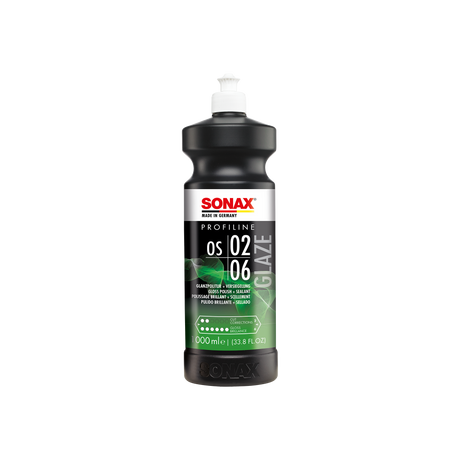
PROFILINE OS "02-06" High-Gloss Polish with Sealant (One-Step)
OS 02-06 — High-Gloss Polish with Sealant (One-Step)
SONAX
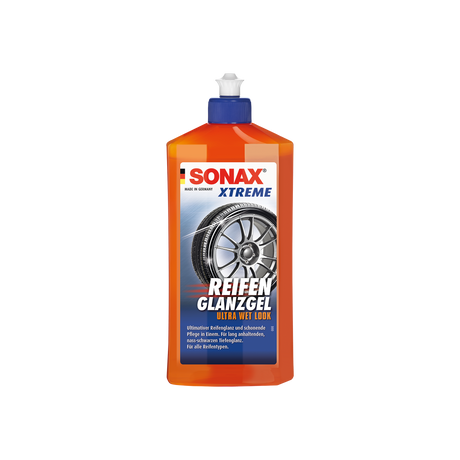
XTREME ReifenGlanzGel "Ultra Wet Look" Tyre Care
Tyre gloss gel "Ultra Wet Look" – tyre dressing with a deep high gloss
SONAX
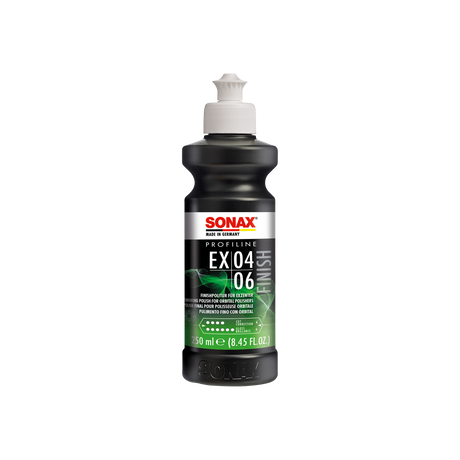
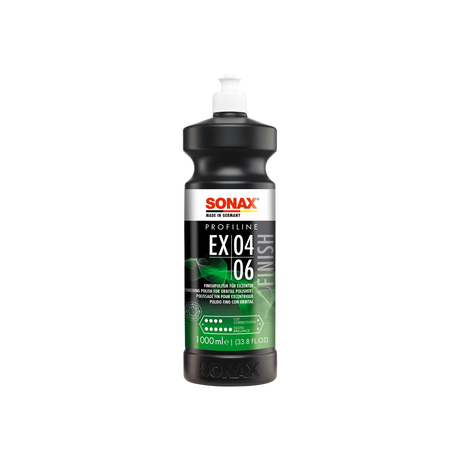
PROFILINE EX "04-06" High-Gloss Polish (Finish)
Silicone-oil-free, low-dust high-gloss polish for DA polishers
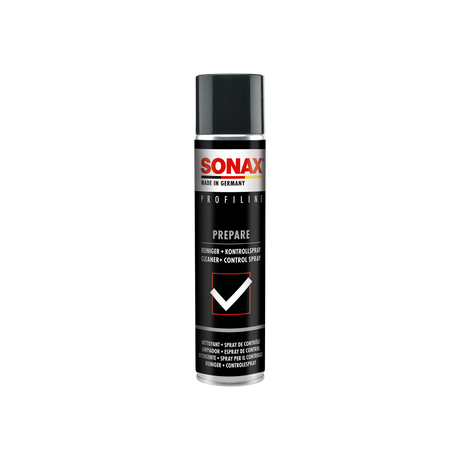
SONAX
PROFILINE Prepare Cleaner & Inspection Spray (Degreaser)
Prepare — Degreaser & Control Spray before Sealants
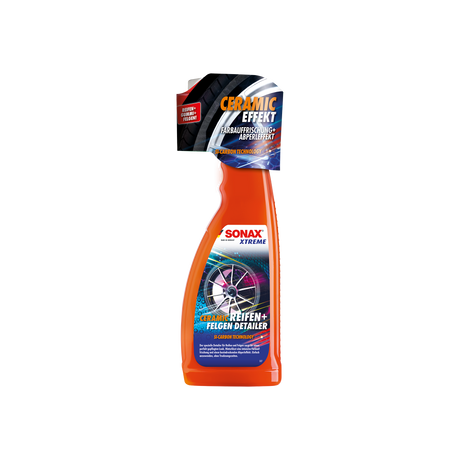
SONAX
XTREME Ceramic Tyre+Wheel Detailer Quick-Detailer
2-in-1 Ceramic Care: Cleans, protects, and conditions tires and rims
SONAX
XTREME Film Cleaner Special Cleaner for Wraps
Film Cleaner — Special Cleaner for PPF, Vinyl, and Matte Paint


SONAX
PROFILINE LeatherCleaner (foam cleaner)
LeatherCleaner — Professional Leather Cleaner (Foam Cleaner)
Daniel von Detailing1 |

Daniel von Detailing1 |

Daniel von Detailing1 |

Daniel von Detailing1 |

Daniel von Detailing1 |

Daniel von Detailing1 |

Daniel von Detailing1 |

Jasper von Detailing1 |

Daniel von Detailing1 |

Daniel von Detailing1 |

Jasper von Detailing1 |

Daniel von Detailing1 |