Paint sealant or wax: 5 situations that settle it before winter
Daniel von Detailing1 |



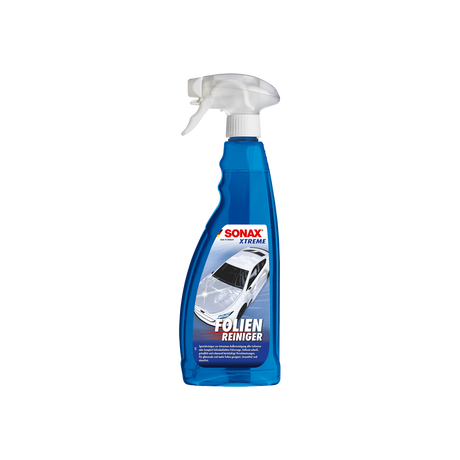
SONAX
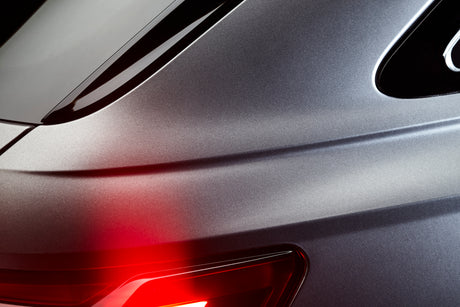
XTREME Film Cleaner Special Cleaner for Wraps
Film Cleaner — Special Cleaner for PPF, Vinyl, and Matte Paint
SONAX
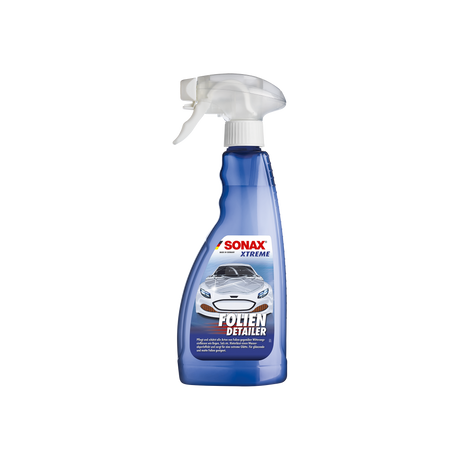
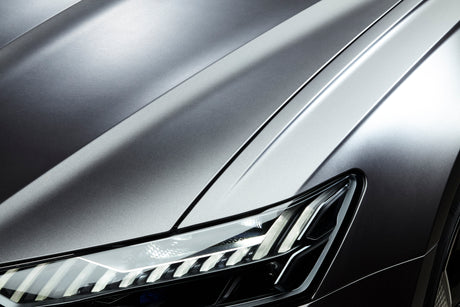
XTREME Film Detailer Quick Detailer for Vinyl Wraps
Film Detailer — solvent-free, for PPF, vinyl, and matte films

SONAX
XTREME Plastic Detailer "Interior+Exterior" Plastic Care
Plastic Detailer — 4-in-1 Care for Interior & Exterior Plastics


SONAX
XTREME Ceramic Plastic Sealant
Ceramic Plastic Sealant — Si-Carbon Protection 3 Months
SONAX
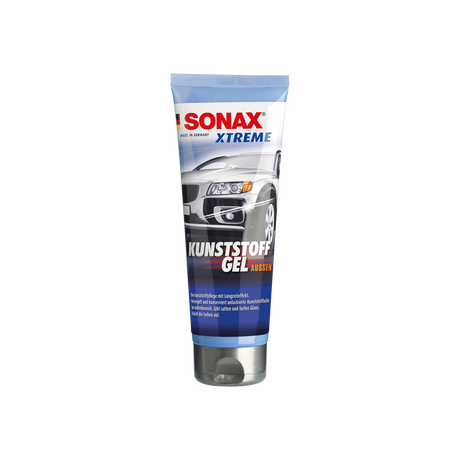
XTREME Plastic Gel "Exterior" Plastic Care
Plastic Gel "Exterior" — deeply effective, regenerates bumpers
What does SONAX XTREME Plastic Care offer? Six specialized products for cleaning, detailing, and long-term sealing of plastics, rubber, foils, and metal surfaces — as a coordinated system instead of arbitrary individual solutions.
If you want to keep black bumpers, rubber seals, or car wraps in good condition long-term, you need more than a universal plastic cleaner. SONAX XTREME Plastic Care is a coordinated system of six products that consistently separates cleaning, quick refreshing, and genuine long-term protection. SONAX — the car care specialist from Neuburg an der Donau in Bavaria with over 70 years of experience in car care chemistry — has developed the XTREME series, a range that covers every step of plastic care with its own product: from XTREME Film Cleaner for deep cleaning to Ceramic Plastic Sealant with SiO₂-based UV protection.
Practical tip from Detailing1: The most common mistake in plastic care is sealing without prior deep cleaning. Invisible residues of wheel cleaner mist, bitumen, and insect remains accumulate on rubber and foils. If you apply the ceramic sealant directly over them, the SiO₂ layer will only adhere to the residues — not to the plastic itself. Result: The sealant lasts 2–3 weeks instead of 3–6 months. Always start with the Film Cleaner, let the surface dry completely, and only then seal.
The XTREME System relies on three different formulation approaches, each with different strengths. The Ceramic Plastic Sealant uses inorganic silicon dioxide particles (SiO₂), which bond with the plastic surface and form a few micrometers thin, but hard protective layer. This layer blocks UV radiation — the main reason why black plastics turn gray after 6–12 months without protection. UV light breaks down the surface polymer chains, creating so-called carbonyl groups that make the material dull and brittle. The SiO₂ barrier prevents this process for 3–6 months, depending on sun exposure and climate. Additionally, it protects against ground-level ozone, which attacks plastics and rubber — a factor completely missing in standard plastic care products without ceramic content.
The Plastic Gel "Exterior" takes a different approach: It combines nourishing oils with a gloss effect and is formulated as a thick gel that does not run off vertical surfaces like bumpers, wheel arches, and spoilers. The effect lasts 2–4 weeks — shorter than ceramic, but faster to apply and with a more intense deep gloss. The gel is ideal for regular intensive care between seasonal sealants and brings even heavily faded plastic parts visually close to new condition. With 250 ml, one bottle is sufficient for approximately 15–20 applications on a mid-range vehicle.
The Plastic Detailer "Interior+Exterior" is the fastest in the system: Spray on, let it work for a short time, wipe off with a microfiber cloth. It cleans light dirt, restores gloss to dull plastics, and is suitable for dashboards, door panels, and exterior parts alike. The pH-neutral formulation makes it safe for weekly use — even on sensitive surfaces like rubber seals, which can become hard and brittle from aggressive cleaners. In the interior, it leaves a subtle matte effect without a greasy film — a point where many competing products fail, either by shining too much or making fingerprints visible.
Crucially: These three approaches do not replace each other, but complement each other. The sealant provides long-term protection, the gel provides intensive care between sealants, and the detailer keeps everything fresh weekly. Anyone who only uses one of the three products will either forgo long-term protection or quick refreshing — and ultimately get a compromise instead of a system.
Vehicle wraps are a distinct material class that differs fundamentally from hard plastics. A high-quality full wrap costs €3,000–€8,000, partial wraps for the roof, hood, or side skirts are €1,500–€3,000. Their lifespan depends directly on care — and this is where the XTREME System shows its strength. The XTREME Film Cleaner was specially developed for these surfaces: It dissolves dirt such as brake dust, tar splashes, and insect residues without damaging the film structure. Unlike universal cleaners, which may contain solvents, its formulation is tailored to chemical compatibility with polyurethane and acrylate films.
Caution is particularly advised with matte films. The characteristic velvety structure of "Frozen" or "Satin" finishes reacts sensitively to too frequent polishing — those who treat a matte film weekly with a gloss detailer will smooth out the microstructure and make the film unintentionally glossy. This effect is irreversible: once smoothed structures cannot be restored. The right rhythm for matte films: cleaning with the Film Cleaner every 4–6 weeks, in between only if necessary with the Film Detailer to refresh — do not polish, just spray on and wipe carefully. Glossy films are simpler and tolerate weekly detailing and full ceramic sealing without restrictions.
The Film Detailer differs from the universal plastic detailer in one important point: It leaves fewer residues on the film surface. Films react more sensitively to product buildup than hard plastics — with weekly use of an overly rich detailer, a greasy film can form over months, which actually attracts dirt. The Film Detailer bypasses this problem with a lighter formulation that evaporates faster and leaves fewer care substances on the surface. For wrapped vehicles, it is the better choice than the universal detailer — for painted plastics, it is the other way around.
The XTREME MetalPolish completes the special category. It is not a plastic care product, but a fine polishing paste for chrome strips, aluminum rims, stainless steel surfaces, and other bare metals on the vehicle. The 150 ml tube contains a fine abrasive particle formulation that removes tarnishing, light oxidation, and fingerprints from metal surfaces without leaving deep scratches. In combination with the plastic line, you also cover the metallic trim parts on the vehicle — chrome strips on window shafts, polished exhaust tips, or brushed aluminum applications. However, MetalPolish is not sufficient for heavily corroded or deeply scratched metals — here you need a stronger abrasive polish.
SONAX XTREME Plastic Care works in three phases, which you combine depending on the degree of contamination. Phase 1 is deep cleaning, which you perform 2–3 times a year — ideally after winter, before summer, and in late autumn. Apply the Film Cleaner to all exterior plastics (bumpers, side skirts, wheel arches, rubber seals, spoilers), let it work for 30–60 seconds, and for stubborn areas, work with a soft brush. Then rinse off and let it dry completely — the surface must be completely dry for the next step.
Phase 2 is sealing, which follows directly after deep cleaning. Apply the Ceramic Plastic Sealant thinly — less is more here. One spray per area is sufficient for a bumper. Let it dry for 5–10 minutes, then polish with a clean microfiber cloth. The protective effect lasts 3–6 months. In southern regions with intense UV radiation, it's more like 3 months, in northern Germany or for garage vehicles, it can be 6 months or longer. Important: Do not apply the sealant in direct sunlight or on hot surfaces — this leads to streaking because the SiO₂ particles cure unevenly.
Phase 3 is ongoing detailing between seals. After each wash or as needed, spray the Plastic Detailer on all plastic parts — inside and out — and wipe with a microfiber. Time expenditure: 3–5 minutes for the entire vehicle. Every 2–4 weeks, instead of the detailer, you can use the Plastic Gel for more intense shine on the exterior parts. The detailer and the gel are compatible with the ceramic sealant — they apply to the existing SiO₂ layer and do not impair the protective effect.
An often underestimated detail: Rubber seals particularly benefit from regular care. Uncared-for rubber becomes hard, brittle, and cracked after 5–6 years — with the detailer, they remain supple and last significantly longer. Before the first frost, apply an extra application to all door seals. This prevents freezing and keeps the material elastic.
Common application errors you should avoid: First — never apply the sealant to damp or hot surfaces. Residual moisture or a surface heated by sunlight prevents the SiO₂ particles from forming a uniform bond. Second — more product does not mean a better result. For the detailer, one spray per component is sufficient; for the sealant, a thin film is enough. Too much product creates streaks and prolongs the drying time. Third — always use microfiber cloths with a minimum surface weight of 300 gsm. Cotton cloths or coarse materials can cause micro-scratches on high-gloss plastics and foils. And fourth — do not combine ceramic sealant with wax products. SiO₂ and wax compete for the same bonding sites on the surface. If you use sealant, omit wax entirely.
The typical annual consumption for a mid-range vehicle: 2–3 bottles of Plastic Detailer (500 ml), 1 bottle of Plastic Gel (250 ml), 1 bottle of Film Cleaner (750 ml), and 1 bottle of Ceramic Sealant (750 ml) — totaling about €80–€120 for a full year of plastic care. That sounds like a lot, but it quickly puts things into perspective when you consider what UV-damaged plastic parts cost: A new bumper in body color is €500–€1,500 including painting, a complete set of rubber seals is €400–€800 plus installation. Systematic care with the XTREME System is the significantly cheaper long-term investment.
A recommended annual rhythm: In spring after winter, a complete deep cleaning with Film Cleaner, followed by the first ceramic sealant. From April to September, weekly detailing with the Plastic Detailer, supplemented every two weeks by the Plastic Gel on the exterior parts. In late autumn, a second sealant for winter protection. In winter, reduce detailing to every 2 weeks, but immediately wipe off affected plastics after driving on salted roads — road salt residues significantly accelerate weathering. If you drive a vehicle with a wrap, you should incorporate the wrapped parts into the same rhythm, but use the Film Detailer instead of the universal detailer and reduce the frequency to monthly for matte wraps.
Not all plastics in a car are the same. Modern vehicles use a variety of different polymers, each with different care requirements. Understanding this will help you make better product choices within SONAX XTREME Plastic Care.
Polypropylene (PP) is the most common plastic on vehicles. Bumpers, wheel arch liners, fender reinforcements, and many interior parts are made of PP. It is lightweight, cost-effective, and relatively robust — but susceptible to UV hardening. After a few years without protection, PP becomes brittle, grays, and develops a rough, chalky surface. Ceramic sealant is particularly important for PP because the SiO₂ layer blocks the UV radiation that triggers the embrittlement process. The Plastic Detailer visually regenerates the surface between seals and keeps the material supple.
ABS (Acrylonitrile Butadiene Styrene) is found in high-gloss parts: door handles, dashboard inserts, ventilation grilles, and decorative trim strips. ABS is harder than PP and glossier, but scratches more easily and can yellow if treated incorrectly. The Plastic Detailer is ideal for ABS because it gently cleans the surface and restores shine without causing micro-scratches. Aggressive cleaners or coarse cloths leave visible marks on ABS — here, the combination of XTREME Detailer and a soft 300 gsm microfiber cloth is worthwhile.
Elastomers and rubbers — on door seals, window rubbers, and windshield wiper blades — age the fastest. Synthetic rubber becomes hard, brittle, and cracked without regular care. A well-maintained set of rubber seals lasts 10 years or more; unmaintained seals show the first cracks after 5–6 years. The UV protection of the ceramic sealant and regular detailing with the Plastic Detailer keep the rubber flexible and prevent premature aging. This effort is particularly worthwhile for convertibles and vehicles with frameless door windows — a complete set of seals here can quickly cost €400–€800 plus installation.
PVC films (wraps) consist of polyvinyl chloride or special polyurethanes with structured surfaces. They are the most expensive element on the vehicle's exterior and require the most care. The crucial point: films are thinner and chemically more sensitive than solid plastics. Aggressive alkaline cleaners, which are unproblematic for bumpers, can attack film adhesives and cause edge detachment. The XTREME Film Cleaner was specifically formulated for this sensitivity — its pH-neutral composition dissolves dirt without endangering the adhesive bond of the film.
This understanding of the different plastic materials shows why SONAX XTREME Plastic Care works as a system: A single universal product would have to make compromises that would either be too aggressive for films or too weak for stubborn PP dirt. The division into specialized products allows each material to be treated with the optimal formulation — gently where necessary, effective where possible.
The XTREME System from SONAX is not the only plastic care range on the market, and honest advice includes openly stating its strengths and limitations. Not every vehicle owner needs six specialized products — and not every alternative is automatically worse. The right choice depends on your care effort, your vehicle, and your priorities. Here's an honest assessment of the most important alternatives.
Compared to universal plastic care products — such as those offered by Koch Chemie or GYEON — the advantage of SONAX XTREME Plastic Care lies in its consistent specialization. A single universal detailer can clean and care, but it cannot replace the deep cleaning of a specialized film cleaner or the long-term UV protection of an SiO₂ sealant. However, if you only care occasionally and don't need a system approach, a good universal detailer like the GYEON Q²M Trim is simpler — one product instead of six, and sufficient for most everyday situations.
Compared to wax-based plastic sealants, ceramic technology offers the decisive advantage in UV protection. Waxes create an intense immediate shine, but they degrade within 4–8 weeks and do not offer a true UV barrier. The SiO₂ layer of the XTREME sealant lasts 3–6 months and protects the material itself — not just the appearance. The trade-off: The immediate shine of a fresh wax is more spectacular than the rather subtle satin look of the ceramic sealant. For those who prioritize maximum shine over long-term protection, a wax-based product will be more satisfactory in the short term.
Compared to professional ceramic coatings like GYEON Q² Trim or professional coating systems, the XTREME Ceramic Sealant is easier to apply and more forgiving. Professional coatings last up to 12 months, but require meticulous preparation, exact curing times, and are difficult to correct if mistakes are made — excess coating can only be polished off after curing. The XTREME Sealant forgives such mistakes: Applied too much? Simply wipe it off. Not even enough? Apply another thin layer. This makes it ideal for beginners who want to gradually get into plastic sealing, and for vehicle owners who want to refresh the protection themselves every few months without having to hire a professional.
The XTREME system is particularly worthwhile for vehicle owners who regularly maintain their plastics and foils and want to preserve them long-term. Anyone who drives a vehicle with black plastic bumpers or high-quality foiling will save more in the long run with systematic plastic care than with the occasional use of cheap products — because UV damage to plastics is irreversible and can only be remedied by expensive part replacement.
As a starting point, we recommend the Plastic Detailer "Interior + Exterior" and the Ceramic Plastic Sealant — these two products already cover 80% of your needs. You can supplement with the Film Cleaner, Plastic Gel, and Film Detailer depending on your vehicle and care requirements. For the complete XTREME Plastic Care Collection and the specialized Film Care products, you can find all container sizes with next-day delivery at Detailing1. If you are unsure which combination suits your vehicle, our consulting team will be happy to help — simply write to us via chat or email.
Too much choice in Plastic & Specialty — XTREME by SONAX? Get help picking:
Add Detailing1 as a preferred source on GoogleXTREME Plastic Care is a system of six specialized products: Wrap Cleaner for deep cleaning, Plastic Detailer for quick freshening up of interior and exterior surfaces, Plastic Gel for intensive exterior care, Wrap Detailer for vehicle wraps, Ceramic Plastic Coating with SiO₂-based UV protection, and MetalPolish for chrome and aluminum surfaces. The products are designed to work together and cover the complete maintenance workflow.
The XTREME Ceramic Plastic Coating lasts for 3–6 months depending on UV exposure. Two to three applications per year are ideal — after winter, before summer, and optionally in late autumn. Between applications, you can keep the plastics looking fresh with the Plastic Detailer or Plastic Gel without affecting the protective layer.
Yes, the XTREME Plastic Detailer "Interior + Exterior" is pH-neutral and suitable for all common plastics and rubbers. Regular use on door seals and window rubbers keeps the material supple and prevents it from becoming brittle and cracking. An extra application on all rubber seals is especially recommended before the first frost.
For matte wraps, the XTREME Wrap Cleaner is suitable for deep cleaning and the Wrap Detailer for freshening up. Important for matte wraps: only detail every 4–6 weeks, not weekly — over-polishing smoothes the micro-structure and makes the wrap unintentionally glossy. The ceramic coating can be applied but must not be buffed to preserve the velvety texture.
The Plastic Detailer is a spray for quick refreshing — usable both inside and out, results in under a minute, lasts about 1–2 weeks. The Plastic Gel is a viscous gel specifically for exterior plastics such as bumpers and wheel arches. It adheres better to vertical surfaces, creates a more intensive deep gloss, and lasts 2–4 weeks. For regular care, use the detailer weekly and the gel every 2–4 weeks as intensive care.
Daniel von Detailing1 |

Daniel von Detailing1 |

Daniel von Detailing1 |

Daniel von Detailing1 |

Daniel von Detailing1 |

Daniel von Detailing1 |

Daniel von Detailing1 |

Daniel von Detailing1 |

Jasper von Detailing1 |

Daniel von Detailing1 |

Daniel von Detailing1 |

Jasper von Detailing1 |